Keep the invitation simple
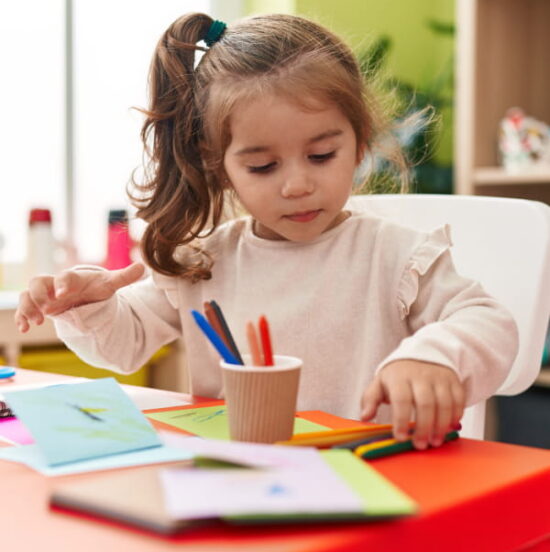
Set out paper and one or two safe materials on a clear surface. Too many supplies can make choosing harder. Use washable, age-appropriate materials, and supervise anything that could be swallowed or used unsafely.
Make the tools fit the child
A chunky crayon, a stable mat or an easier-to-reach surface can change the experience. Some children enjoy messy materials; others prefer dry tools. Offer alternatives rather than insisting on a particular texture.
Let the result be their own
Art does not need to look like an example to be worthwhile. Appreciate a colour choice, a new mark or time spent exploring. Avoid correcting the picture or finishing it for them. Watching, pointing and choosing colours can also be ways to join in.
Build a comfortable ending
Tell your child when materials will be put away and offer a simple clean-up step if they want to help. Display work only with their comfort in mind. Ask the school team about adaptations that fit their current skills and preferences.
These resources offer general educational ideas, not an individual assessment or treatment plan. Adapt activities with your child’s family, educators and qualified professionals.